
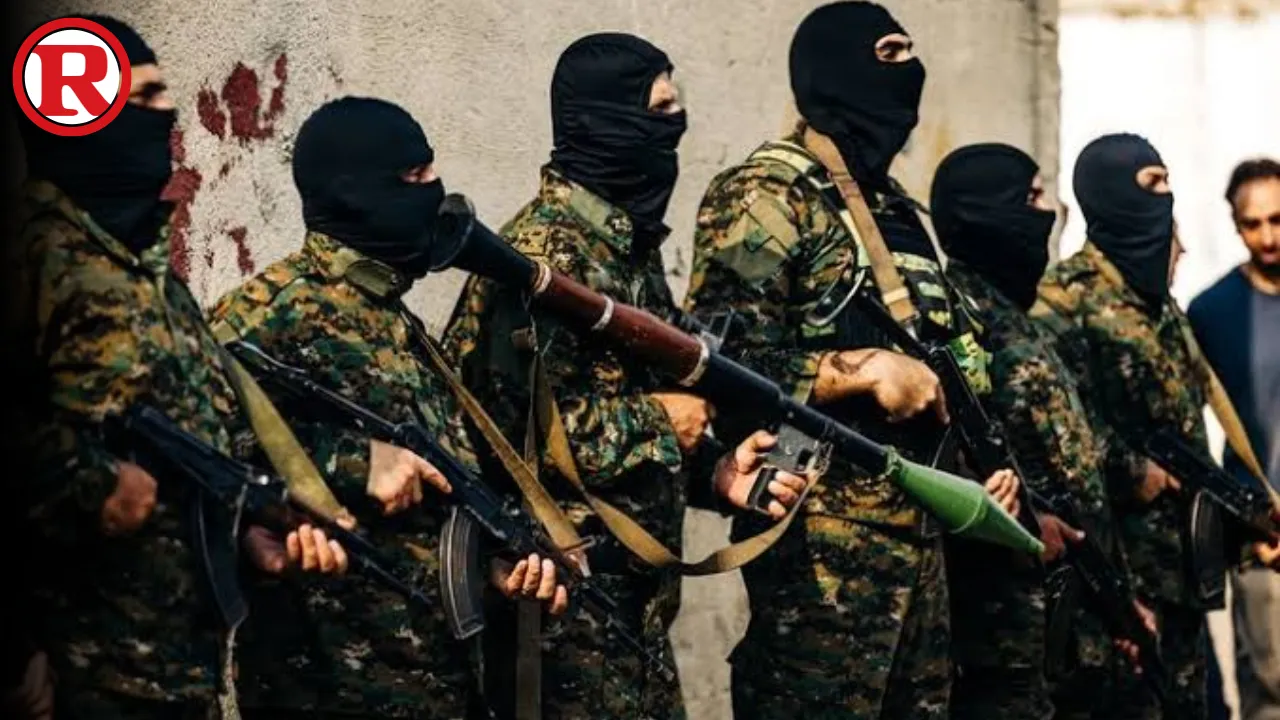
Paging Hezbollah (2026) is a documentary examining intelligence operations behind the September 2024 electronic device explosions in Lebanon.
Directed by Justin Folk and produced by Folk alongside Kirby Williamson, the film explores how Israeli intelligence infiltrated supply chains linked to Hezbollah’s communications network.
It features interviews with intelligence figures, military strategists, engineers, and political leaders. Distributed by HMND, the documentary is scheduled for a limited theatrical release in the United States on October 30, 2026.
Paging Hezbollah Age Rating
Paging Hezbollah is rated PG-13 by the Motion Picture Association (MPA) for violent content/bloody images, thematic elements, brief language, and smoking.
The PG-13 rating means some material may be inappropriate for children under 13. Parents should consider the documentary’s real-world violence, disturbing imagery, and serious geopolitical subject matter. Unlike fictional thrillers, this film examines actual events involving explosions, injuries, and civilian casualties.
The documentary combines interviews, archival recordings, and technical explanations to investigate the operation. Its focus is investigative rather than purely action-driven, but the subject matter can still be emotionally intense. Footage showing wounded people or the aftermath of explosions may be particularly upsetting for younger viewers.
Teenagers interested in history, journalism, intelligence, or international affairs may find the investigation informative. However, the graphic images and discussion of civilian harm require careful consideration. Parents should assess their children’s sensitivity to real-world violence before deciding whether to watch the film together.
Violence & Peril
Violence is the main content concern in Paging Hezbollah. The documentary examines coordinated detonations in Lebanon involving pagers and two-way radios in September 2024. It reportedly uses archival news footage, photographs, and on-scene recordings to show the aftermath of explosions in streets and markets.
Viewers can expect images of damaged infrastructure, emergency responses, and wounded individuals. Some sequences reportedly include blood, severe injuries, and hospital or surgical aftermath. These are real-world images, not staged action scenes, which may make them especially distressing.
The documentary also discusses covert intelligence operations, explosive devices, and the technical planning behind the attacks. These explanations create tension without relying on conventional cinematic combat. The emphasis remains on how the operation was organized and what happened afterward.
Language
The film’s PG-13 rating includes brief language. Occasional mild-to-moderate strong language may appear during interviews or within archival field recordings. The exact words and frequency have not been independently verified.
Language does not appear to be the documentary’s primary content concern. However, parents should not assume that every interview is free from profanity. The available information does not confirm whether racial slurs or other derogatory expressions appear.
Mature Themes
The documentary explores covert warfare, intelligence gathering, terrorism-related concerns, international security, and the ethical questions surrounding attacks in populated areas. It also examines the possible consequences of infiltrating supply chains and turning everyday communication devices into weapons.
These themes may be difficult for younger audiences to understand without additional context. Discussions of civilian casualties, geopolitical conflict, and the responsibilities of intelligence agencies can raise challenging questions. The film may also prompt conversations about military strategy, national security, and the risks civilians face during covert operations.
Smoking is another stated reason for the PG-13 rating. Brief cigarette use reportedly appears in archival material or background footage.
The documentary’s mature content primarily comes from its real-life subject matter. Parents should consider both the graphic imagery and the emotional weight of its political and ethical discussions. Older teenagers may be better prepared to understand these issues, especially when watching with a parent.
Is Paging Hezbollah Suitable for Teens?
Ages 8–12: No. The documentary’s real-world explosions, bloody images, and severe injuries may be too disturbing for children in this age group. Its complex political themes may also be difficult to understand.
Ages 13–15: With Guidance. The PG-13 rating makes the film a possible option for some younger teenagers. However, parents should consider their child’s sensitivity to graphic images and be prepared to discuss the events and their consequences.
Ages 16–17: Generally Suitable With Discretion. Older teenagers interested in international affairs, investigative journalism, or modern warfare may find the documentary informative. Parents should still consider its images of injuries, brief strong language, smoking, and discussion of civilian casualties.
Final recommendation: Paging Hezbollah is best suited to viewers aged 16 and older. Younger teenagers should watch with parental guidance, while children under 13 are better off avoiding it because of its disturbing real-world imagery.
What Parents Can Do
– Prepare teenagers for graphic footage. Explain that the documentary covers actual explosions and injuries. Warn them that some images may include blood, severe wounds, and hospital scenes before deciding whether to watch together.
– Provide political and historical context. Discuss the September 2024 events, the role of intelligence operations, and the potential effects on civilians. Encourage teenagers to distinguish documented evidence from claims or interpretations made by interviewees.
– Encourage critical discussion afterward. Ask how covert operations affect civilian safety and international relations. Discuss the ethical questions raised by the documentary and encourage teenagers to consider different perspectives without overlooking the human consequences.
Official Trailer

FAQs
Q: What is the age rating of Paging Hezbollah (2026)?
A: Paging Hezbollah is rated PG-13 by the Motion Picture Association for violent content/bloody images, thematic elements, brief language, and smoking.
Q: Is Paging Hezbollah appropriate for kids or teenagers?
A: The documentary is not recommended for children under 13 because of its disturbing real-world imagery. Teenagers aged 13–15 may need parental guidance, while older teens may be better equipped to understand its themes.
Q: Does Paging Hezbollah contain violence or scary scenes?
A: Yes. The documentary reportedly includes explosion footage, damaged infrastructure, wounded individuals, blood, and severe injuries. These real-world images may be more distressing than fictional violence.
Q: Does Paging Hezbollah contain strong language or racial slurs?
A: The film’s rating identifies brief language, and occasional strong language may appear in interviews or archival recordings. The available information does not confirm whether racial slurs or other derogatory expressions occur.
Q: Where can you watch Paging Hezbollah (2026)?
A: The documentary is scheduled for a limited theatrical release in the United States on October 30, 2026.
Official Website: Paging Hezbollah