
📋 Research-Based Guide
This guide is built from the official age certificate and its published rating reason, together with the trailer and released material. We have not screened this title ourselves, and we will not describe scenes we have not seen. We are working through our back catalogue and upgrading guides to Verified as fast as we can genuinely watch them. How we rate →
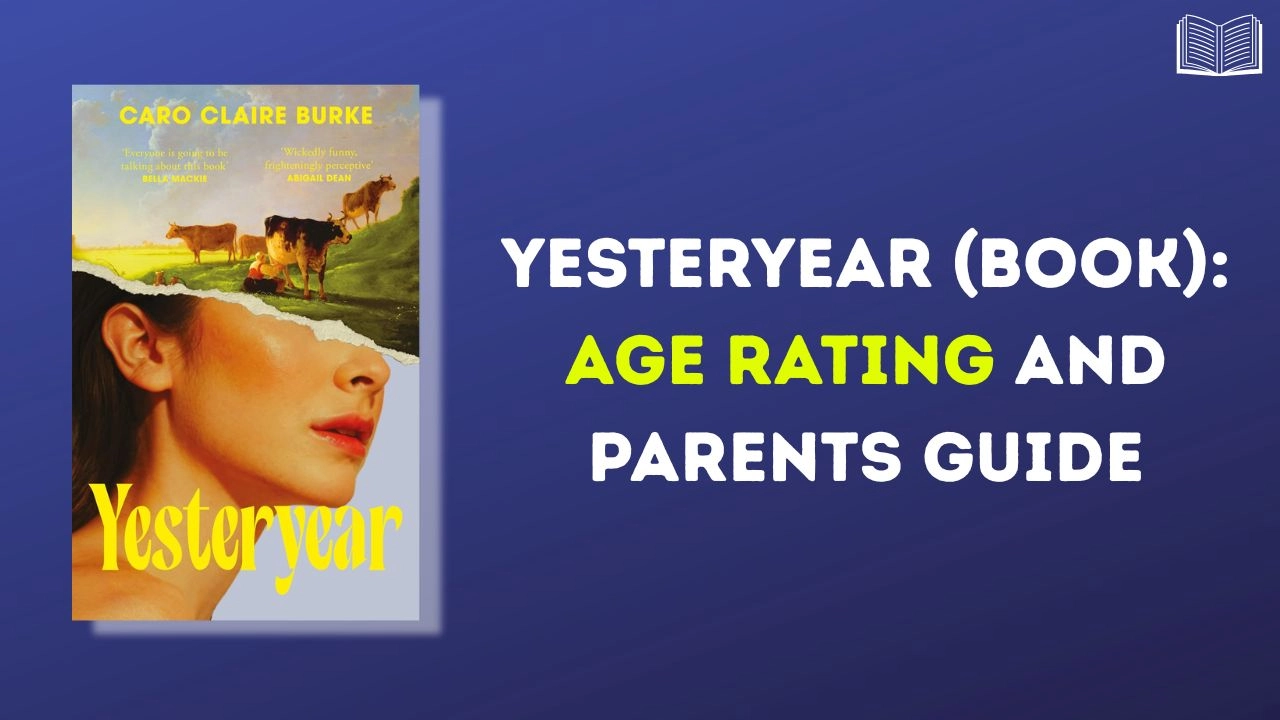
Yesteryear is the 2026 debut novel by Caro Claire Burke, a satirical thriller about Natalie Heller Mills, a Christian “tradwife” social media influencer who curates a picture-perfect pioneer lifestyle for millions of followers on her Idaho ranch.
After a public scandal upends her carefully constructed image, Natalie inexplicably wakes up in the year 1855, trapped in a version of her own family and forced to live out the harsh, unfiltered reality of the frontier life she once sold as an aesthetic.
The novel alternates between Natalie’s present-day backstory and her disorienting new existence in the past, blending social satire with psychological suspense as it questions what’s real, what’s performance, and what price women pay for both.
The book has been optioned for film, with Anne Hathaway attached to star and produce. Given the subject matter and reception, this guide exists to help parents and educators decide whether Yesteryear belongs in a teen or family reading list.
Yesteryear Book Age Rating and Recommendation
Yesteryear is an adult novel, not a young-adult crossover, and its content reflects that. Given the combination of sexual violence, graphic domestic and child abuse, and heavy psychological themes, this is not recommended for readers under 17, and even older teens should approach it with parental awareness of what’s inside. It reads closer to an R-rated psychological thriller than a coming-of-age story, and the “tradwife” premise that makes it sound accessible on the surface shouldn’t be mistaken for family-friendly framing.
Violence and Disturbing Content
Yesteryear contains sustained depictions of physical and emotional abuse, much of it directed at Natalie by the family she’s trapped with in the 1855 timeline. Readers should expect scenes involving domestic violence, child abuse, and what multiple reader accounts describe as graphic injury detail. Animal cruelty and animal death also appear across both timelines, tied to the harsh realities of frontier and farm life. The tone throughout is unsettling rather than action-oriented, closer to psychological horror than adventure violence, which can make it linger with sensitive readers even when individual scenes aren’t drawn out.
Sexual Content
The novel includes sexual content both moderate and graphic depending on the passage, along with depictions of sexual assault and rape. These aren’t played for titillation; they’re central to the book’s argument about the gap between curated “trad” domesticity and its historical reality. Still, the explicitness and frequency place this firmly outside young-adult territory. Themes of reproductive control, pregnancy loss, and forced pregnancy also surface and are handled with unflinching detail rather than being softened for a general audience.
Language
Cursing appears regularly throughout the book, described in multiple reader reviews as a consistent, moderate-to-graphic presence rather than an occasional flourish. It’s used naturalistically in dialogue and internal narration and isn’t concentrated in any one section.
Substance Use
References to alcohol use and, in some passages, drug use and addiction appear as part of the broader portrait of dysfunction within Natalie’s family and community. These aren’t glamorized, but they are recurring enough to note for parents screening the book for younger or more impressionable readers.
Mature Themes
Beyond the content categories above, Yesteryear engages heavily with gender discrimination, misogyny, religious extremism, and what several reviewers describe as Christian nationalist undertones. Mental illness, including apparent psychosis, is a major and sometimes ambiguous plot element, and the book doesn’t shy away from depicting it in a way that could be distressing without context. Racism, antigay bias, and toxic family dynamics are also woven throughout. This is fundamentally a book about the gap between an online performance of “wholesome” family life and a much darker reality, and it uses history as a mirror rather than an escape.
What Parents Can Do
If a teen is drawn to Yesteryear because of its viral, book-club-pick popularity or the upcoming film adaptation, it’s worth reading a chapter or two alongside them first, or at minimum discussing the premise and content categories above before they dive in. The book’s satire of influencer culture and “tradwife” content can open up genuinely useful conversations about media literacy and performative lifestyles online, but the vehicle for that conversation is heavy. Parents of older teens who do allow the book might consider checking in partway through, especially around the chapters dealing with abuse or sexual violence, to make space for questions.
FAQs
Q: Is Yesteryear appropriate for teenagers?
A: It’s not recommended for younger teens due to graphic violence, sexual content, and depictions of abuse. Older teens (17+) could handle it with parental guidance, given the maturity of the themes.
Q: What is Yesteryear about?
A: It follows a “tradwife” influencer who wakes up in 1855, trapped in a brutal version of the pioneer lifestyle she markets online, blending satire with psychological thriller elements.
Q: Is there sexual assault in Yesteryear?
A: Yes, it includes sexual assault and rape as recurring elements of the story.
Q: Is Yesteryear based on a true story?
A: No. It’s a work of fiction, though it draws heavily on real trends around tradwife influencer culture for its satire.
Q: Is there a movie adaptation of Yesteryear?
A: A film adaptation is in development, with Anne Hathaway set to star and produce.
Official Website: Caro Claire Burke