
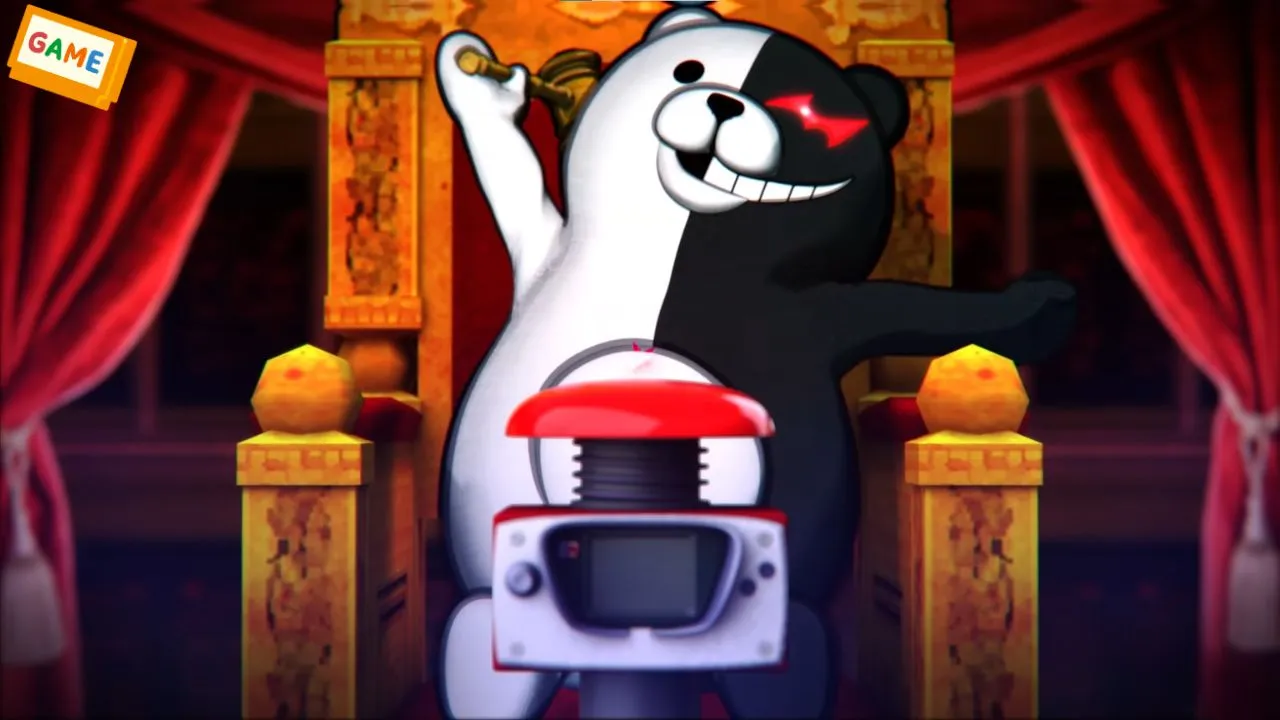
If you’ve been scrolling through gaming forums or stumbled upon fan art of a black-and-white bear with a sinister grin, chances are you’ve heard of Danganronpa.
This wildly popular visual novel franchise from Spike Chunsoft has built a massive fanbase over the years — but one question keeps coming up again and again: What is the Danganronpa age rating, and is it appropriate for younger players?
This article breaks down the official age ratings, content details, and everything you need to know before diving into this dark but captivating series.
What Is the Official Age Rating for Danganronpa?
The Danganronpa series carries a Teen (T) rating from the ESRB (Entertainment Software Rating Board) in the United States. This means the games are officially recommended for players aged 13 and older.
However, the ESRB rating alone doesn’t paint the full picture. Many parents, educators, and even veteran gamers suggest that the content is better suited for players who are 16 or older, depending on their maturity level. The games deal with heavy themes that go well beyond what you’d typically associate with a “Teen” label.
Here’s a quick breakdown of the official ratings across different regions:
- ESRB (USA): T for Teen (13+)
- PEGI (Europe): 16+
- CERO (Japan): C (15+) to D (17+) depending on the title
- ACB (Australia): MA15+
The differences across regions are telling. Europe and Australia slap a significantly higher age recommendation on these games compared to the United States, which gives you a better sense of the actual content intensity.
A Brief Overview of the Danganronpa Series
Before getting into the content specifics, it helps to understand what Danganronpa actually is. The franchise began with Danganronpa: Trigger Happy Havoc in 2010 (Japan) and was later localized for Western audiences. The series currently includes:
- Danganronpa: Trigger Happy Havoc (2010/2014)
- Danganronpa 2: Goodbye Despair (2012/2014)
- Danganronpa Another Episode: Ultra Despair Girls (2014/2015)
- Danganronpa V3: Killing Harmony (2017)
- Danganronpa 3: The End of Hope’s Peak High School (anime series, 2016)
Each main game follows a group of high school students trapped in a location and forced to participate in a deadly “killing game” orchestrated by a sadistic bear named Monokuma. The only way to escape is to commit a murder without getting caught. Students then hold courtroom-style “class trials” to deduce who the killer is.
Content Details: What’s Actually in These Games?
This is the section most parents and cautious players want to see. Here’s a transparent rundown of the content you can expect.
Violence and Gore
Danganronpa features stylized depictions of murder and death throughout every game. Characters are killed in elaborate, often gruesome ways — stabbings, drownings, electrocutions, and more. The games use a distinctive pink blood aesthetic rather than realistic red blood, which was an intentional artistic choice to soften the visual impact and help secure lower age ratings.
That said, the descriptions of murders during class trials can be detailed and disturbing. Players must reconstruct crime scenes and understand exactly how victims were killed, which involves reading and analyzing violent scenarios in depth.
Psychological and Dark Themes
This is where Danganronpa truly earns its mature tone. The games explore:
- Despair, hopelessness, and trauma — characters frequently grapple with the psychological weight of watching their friends die
- Suicide and self-harm references — certain story moments and character backstories touch on these subjects, sometimes directly
- Manipulation and gaslighting — the villain Monokuma and various antagonists psychologically torment the student cast throughout
- Grief and moral ambiguity — players are forced to vote to execute a classmate even when circumstances make the “right” choice feel impossible
- Existential crises — especially in Danganronpa V3, the narrative deliberately messes with the player’s sense of reality and identity in unsettling ways
These themes are handled with nuance, but they are persistent and pervasive throughout the series.
Sexual Content
The games contain some suggestive content and dialogue, though nothing overtly explicit. Certain character interactions and bonus “Free Time Events” include flirtatious or mildly sexual dialogue. Danganronpa Another Episode: Ultra Despair Girls contains more suggestive content than the main trilogy and was rated slightly higher as a result.
There are also a handful of characters whose designs and personalities lean into fanservice-style tropes, which may be uncomfortable for younger audiences or parents reviewing the content.
Language
The localized English versions of these games contain mild to moderate profanity, including words like “damn,” “hell,” and occasional stronger language. This is consistent with the ESRB’s Teen rating guidelines.
Substance References
A few characters reference alcohol and smoking within the story. These moments are not glorified but are present as part of character world-building.
Is Danganronpa Appropriate for a 13-Year-Old?
Technically, yes — based on the ESRB rating. But in practice, many parents and child development experts would recommend waiting a few more years.
Here’s why: the ESRB’s Teen rating covers a broad range from age 13 upward, and Danganronpa sits firmly at the upper end of that spectrum. A 13-year-old who is emotionally sensitive or has personal experience with grief, loss, or mental health struggles may find the content distressing rather than entertaining.
On the other hand, a mature 14 or 15-year-old who enjoys mystery games, has strong critical thinking skills, and can separate fiction from reality will likely appreciate the series for what it is — a complex, thought-provoking narrative experience.
The bottom line: Use your judgment based on the individual child, not just their age.
Is Danganronpa Appropriate for Teenagers (16–17)?
For most teenagers in this age range, Danganronpa is a perfectly reasonable choice — and arguably one of the more intellectually stimulating game series available. The mystery-solving, character development, and ethical dilemmas it presents make it a genuinely educational experience in terms of logic, critical thinking, and emotional intelligence.
The PEGI 16+ rating used in Europe arguably captures the sweet spot better than the US ESRB Teen rating. Most 16 and 17-year-olds have the emotional maturity to process the dark content without being negatively affected by it.
Is Danganronpa Safe for Adults?
Absolutely. Danganronpa is widely celebrated by adult gamers for its unique storytelling, memorable cast, and genre-blending gameplay that mixes visual novel reading with Phoenix Wright-style courtroom debate segments. The dark themes that might be challenging for younger players are often exactly what adult fans love about the series.
Tips for Parents Considering This Game for Their Child
If you’re a parent trying to make this call, here are a few practical things you can do:
Watch gameplay footage first. Sites like YouTube have hours of Danganronpa let’s play content. Spend 20–30 minutes watching to get a real feel for the tone and content before making a decision.
Play alongside your child. Danganronpa’s storytelling sparks a lot of conversation about justice, morality, and human nature. Playing together could turn the experience into a meaningful dialogue opportunity.
Check for sensitivity triggers. If your child struggles with anxiety, depression, or has experienced loss, the game’s persistent themes of death and despair may be too much. Trust your instincts on this one.
Start with the first game. Danganronpa: Trigger Happy Havoc is slightly less intense than some later entries. If your teenager handles it well, you can decide together whether to continue the series.
Frequently Asked Questions (FAQs)
Q: What is the ESRB rating for Danganronpa?
A: All main Danganronpa games carry a Teen (T) rating from the ESRB, meaning they are recommended for players 13 and older.
Q: Why is Danganronpa rated higher in Europe than in the US?
A: PEGI, Europe’s rating board, rated the games 16+, while the ESRB gave them a Teen (13+) rating. Different rating organizations use different criteria and cultural standards when evaluating content, which accounts for this gap.
Q: Is Danganronpa appropriate for a 12-year-old?
A: Most rating boards and parenting experts would say no. The game deals with murder, psychological manipulation, and heavy emotional themes that are generally more appropriate for teenagers aged 15 and above.
Q: Does Danganronpa have blood and gore?
A: Yes, but it’s stylized. The games use bright pink blood instead of realistic red, which was a deliberate design choice. However, the descriptions of murders in class trials can still be graphic and disturbing.
Q: Which Danganronpa game is the most mature?
A: Danganronpa V3: Killing Harmony and Danganronpa Another Episode: Ultra Despair Girls are considered the most intense entries in the series. V3 deals heavily with existential and meta-narrative themes, while Ultra Despair Girls contains more violent action and suggestive content.
Q: Is there romance or sexual content in Danganronpa?
A: There are mildly suggestive moments and flirtatious dialogue, particularly in character interaction events. The content is not explicitly sexual, but some scenes may be inappropriate for younger or more sensitive players.
Q: Can adults enjoy Danganronpa?
A: Absolutely. The series is a fan favorite among adult gamers precisely because of its complex storytelling, moral dilemmas, and unpredictable plot twists.
Q: Is Danganronpa based on a real story?
A: No. Danganronpa is entirely fictional. It was created by game designer Kazutaka Kodaka and developed by Spike Chunsoft.
Q: Does Danganronpa deal with suicide?
A: Some character backstories and story moments reference or touch on suicide and self-harm. These are handled within the context of the narrative but are present throughout the series.
Q: Is Danganronpa available on Nintendo Switch?
A: Yes. The Danganronpa Decadence collection, which includes Trigger Happy Havoc, Goodbye Despair, and V3: Killing Harmony, is available on the Nintendo Switch.