
📅 Pre-Release Guide — this title is not out yet (due 30 October 2026)
Nobody has seen this one yet, including us. This guide is built from the official age certificate — where one has been issued — plus the trailer and the studio’s own released material. We will not describe scenes we have not seen. Once it is released and one of us has watched it, we upgrade this page to a Verified Guide. How we rate →
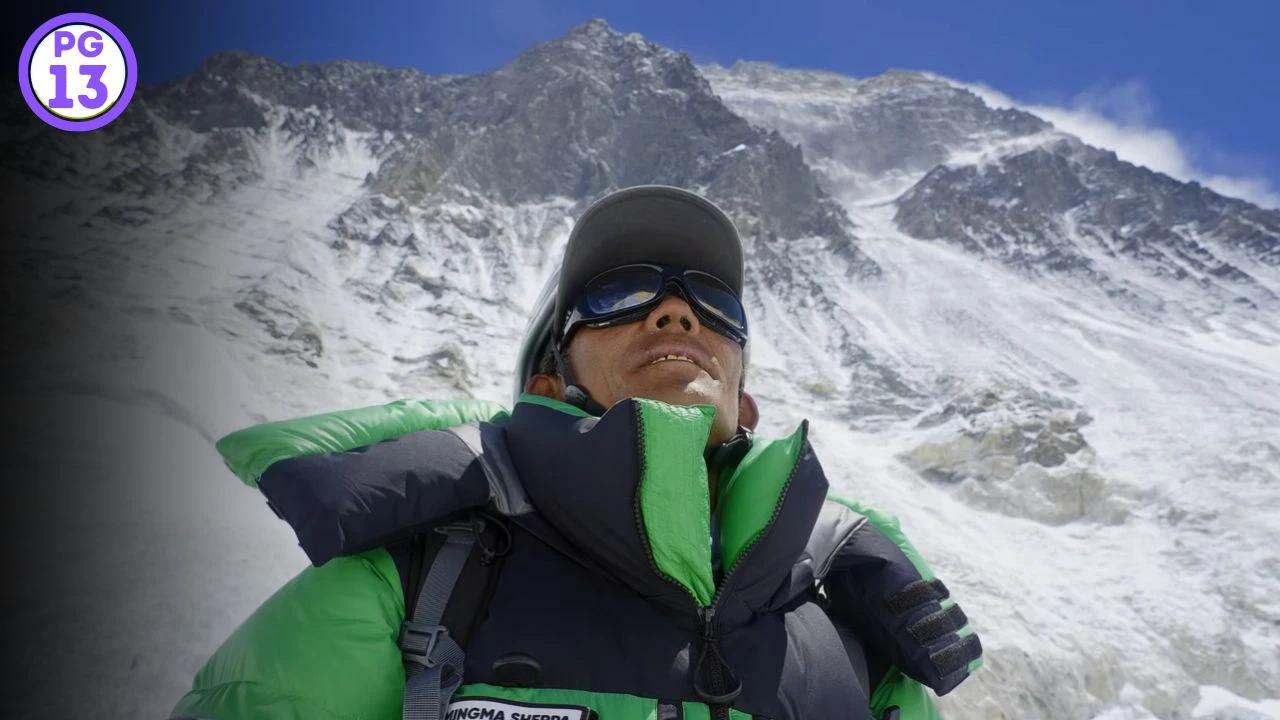
Everest: The Other Side is a 2026 American documentary about extreme mountaineering, love, loss, and human endurance. The film is directed by Elizabeth Chai Vasarhelyi and Jimmy Chin, the filmmakers behind Free Solo and The Rescue.
It features elite ski mountaineers Jim Morrison and Hilaree Nelson, alongside real expedition footage and personal material. The documentary follows their romantic relationship and shared ambition to climb and ski Mount Everest’s dangerous North Face.
Their pursuit takes them into extreme weather, high-altitude conditions, physical exhaustion, and potentially fatal situations. The film explores adventure, grief, risk, love, and the psychological cost of extreme exploration.
It is scheduled for festival premieres in September 2026, followed by a global theatrical and IMAX release on October 30, 2026.
Everest: The Other Side Age Rating
Everest: The Other Side is rated PG-13 for thematic material and brief strong language. The rating reflects the documentary’s intense subject matter rather than conventional fictional violence. Parents should expect real-world danger, serious injuries, grief, death, and emotionally difficult material. The extreme climbing footage may also be frightening for younger viewers.
Violence & Peril
The film contains strong and realistic peril because it documents extreme mountaineering. Viewers see climbers facing avalanches, severe weather, sub-zero temperatures, high-altitude conditions, and potentially fatal falls. The documentary also addresses hypoxia, exhaustion, frostbite, and the physical consequences of operating at extreme altitude.
There is no conventional staged violence. However, real mountaineering accidents and dangerous situations can be intense to watch. Some scenes may create significant suspense because the audience understands that the risks are genuine.
Parents should be particularly cautious with younger or sensitive viewers. The film’s realistic presentation can make its dangers feel much more immediate than those in a fictional adventure movie.
Language
Language is a minor-to-moderate concern. The PG-13 rating mentions brief strong language, with occasional profanity occurring during stressful or high-adrenaline situations.
The language does not appear to dominate the documentary. However, parents who prefer completely clean language should know that some stronger expletives are present.
Mature Themes
Mature themes are the biggest content concern in Everest: The Other Side. The documentary examines death, grief, personal loss, extreme risk, physical suffering, and the psychological cost of dangerous exploration.
The story also explores the emotional relationship between Jim Morrison and Hilaree Nelson. Their romance is affectionate and personal, but there is no indication of explicit sexual content.
Substance use is limited and does not appear to be a major part of the story. Social drinking or celebratory toasts may appear around expedition-related moments. The documentary’s primary mature content comes from its treatment of mortality and extreme physical danger.
Is Everest: The Other Side Suitable for Teens?
Ages 13–14: With Guidance. The PG-13 rating makes the documentary potentially suitable for some younger teens. However, realistic mountaineering peril, death, grief, and frightening survival situations may be intense.
Ages 15–17: Yes. Older teenagers interested in documentaries, climbing, adventure, or survival should generally be able to handle the material. Parents should still consider whether their teen is comfortable watching realistic footage involving serious danger and loss.
Ages 18+: Yes. Adults should have no significant concerns beyond the film’s naturally intense subject matter. The documentary is designed around real people, real risks, and emotionally difficult experiences.
Final recommendation: Everest: The Other Side is best suited for ages 13 and older, with parental guidance recommended for younger teens.
What Parents Can Do
- Explain the difference between adventure and real danger: Remind younger viewers that the climbing risks shown in the documentary are genuine and should not be imitated.
- Prepare children for emotional themes: Explain that the film discusses death, grief, loss, and the consequences of extreme risk.
- Discuss responsible risk-taking: The documentary can provide an opportunity to talk about preparation, experience, teamwork, and why extreme sports require professional training.
Official Trailer

FAQs
Q: What is the age rating for Everest: The Other Side?
A: Everest: The Other Side is rated PG-13 for thematic material and brief strong language.
Q: Is Everest: The Other Side suitable for teenagers?
A: Yes, especially for older teens. Younger teenagers may need parental guidance because some scenes can be emotionally intense.
Q: Does Everest: The Other Side have violence or scary scenes?
A: There is no conventional fictional violence, but the documentary contains realistic mountaineering peril. Avalanches, falls, extreme weather, injuries, and life-threatening conditions may be frightening.
Q: Does Everest: The Other Side contain sexual content?
A: The documentary features a romantic relationship between Jim Morrison and Hilaree Nelson. Affectionate moments are present, but there is no indication of explicit sexual content.
Q: Where can I watch Everest: The Other Side?
A: The documentary is scheduled for a global theatrical and IMAX release on October 30, 2026, following festival premieres in September.